Templates and content models
Reusable service, location, team and case-study templates that editors can maintain without rebuilding the layout.
WordPress development
neometa builds and improves WordPress sites: templates, content structures, calculators, integrations, responsive fixes and the awkward technical work that accumulates underneath an existing site.
01 / 04
The work
The right solution may be custom code, a well-supported plugin, or removing complexity. Development is not measured by how much code gets added.
Reusable service, location, team and case-study templates that editors can maintain without rebuilding the layout.
Commercial tools, conditional forms and routing that make the enquiry more useful before it reaches the team.
CRM, email, booking, analytics and API connections with failure handling considered from the start.
Builder problems, plugin conflicts, responsive defects and performance work scoped around what is worth keeping.
02 / 04
Implemented work
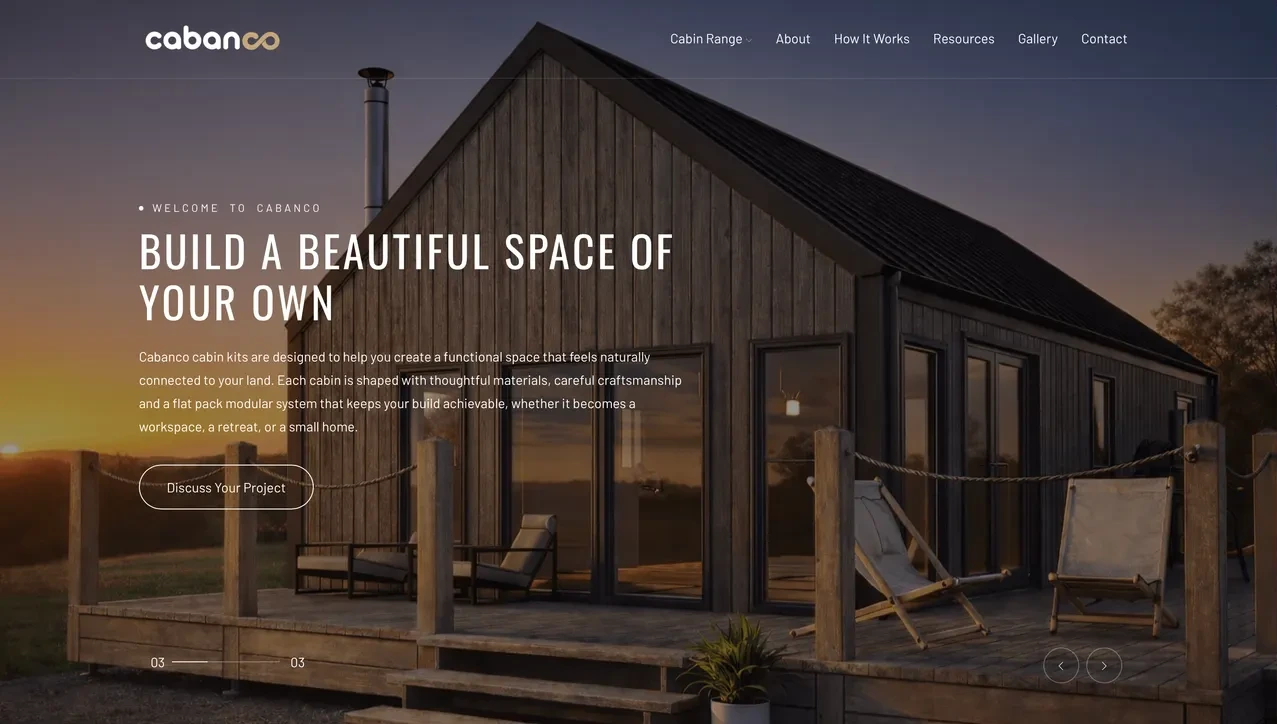
Cabanco
Custom cabin calculator built into the enquiry journey
Elementor WordPress site with a custom HTML pricing calculator for modular timber cabins.
View Case Study
Teens in AI
Multilingual content structure supporting 8,634 visits from Google in three months
Global multi-lingual website with CRM-connected sign-up forms, ad landing pages and HubSpot automation.
View Case Study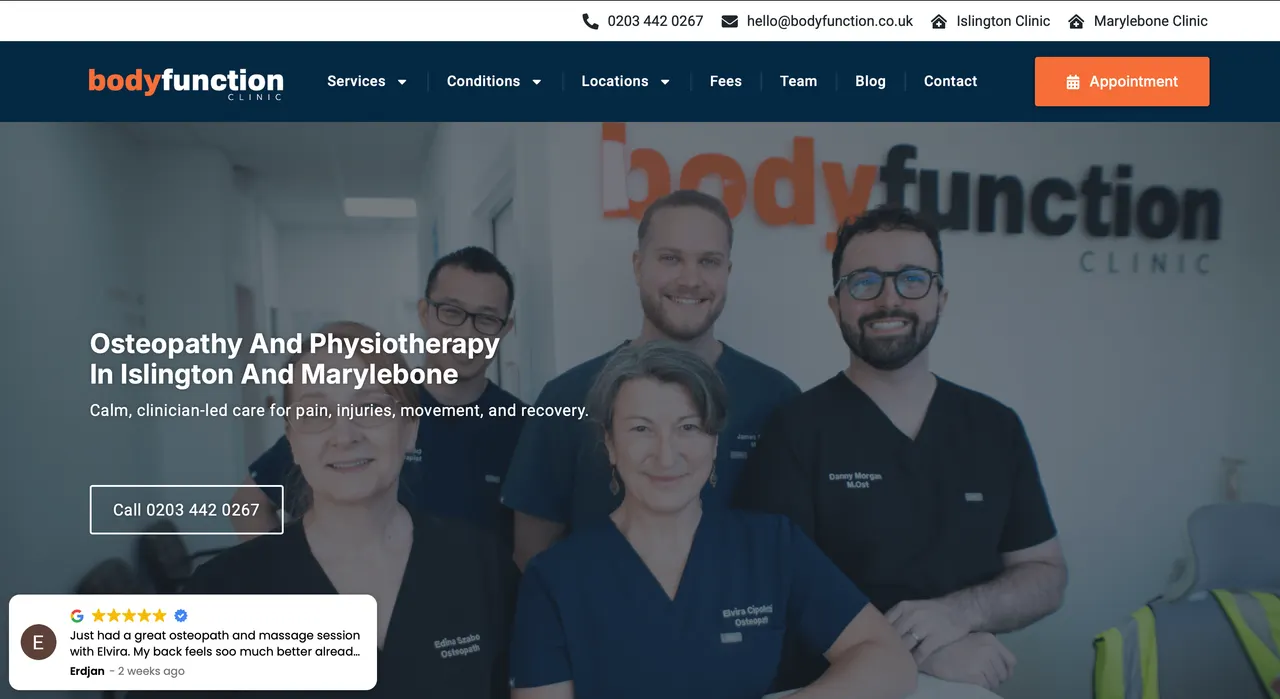
Bodyfunction Clinic
Large clinic site rebuilt for maintainability, local search and bookings
Islington osteopathy clinic rebuilt in Elementor with a local SEO campaign.
View Case Study02 / 04
Elementor WordPress site with a custom HTML pricing calculator for modular timber cabins.
View case study“We have now used Neometa’s services to build 3 websites across all of our businesses, including SEO optimisation, automation of our social media accounts and customer pipelines.”
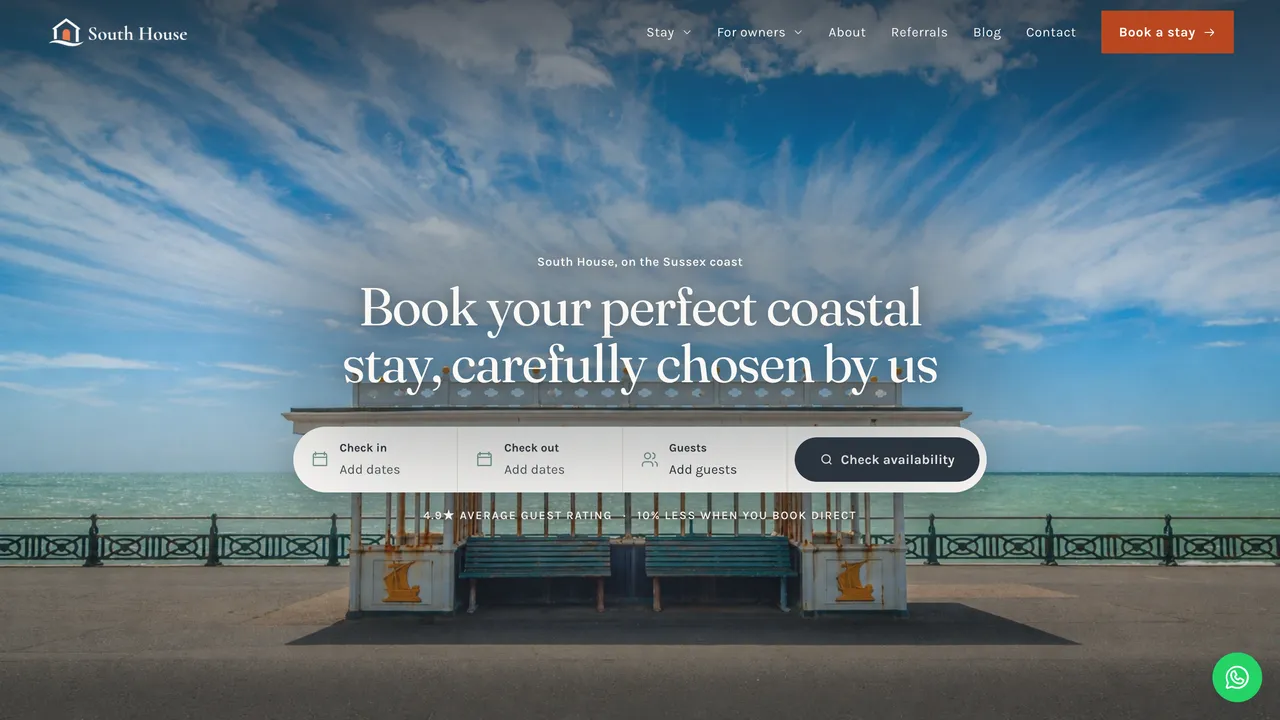
Sussex coastal-stay brand with a Next.js site that reads live availability and nightly prices from Guesty.
View case study“I wholeheartedly recommend NeoMeta, they’re not just a service provider- they’re a marketing partner.”
03 / 04
A clear route from problem to release
Small fixes should stay small. Larger work needs enough discovery to prevent one workaround creating the next one.
We inspect the theme, plugins, hosting and current workflow, then clarify what the finished change needs to do.
Reuse a maintained tool where it fits; write custom code where ownership, performance or unusual behaviour justifies it.
Changes are developed in staging where possible, checked across screen sizes and tested against the existing site behaviour.
The work is deployed, documented and explained. Ongoing support is optional. You keep the feature either way.
04 / 04
Choose the right route
Web design covers a new site or visual/content rethink. Maintenance covers routine prevention. Support covers fixes and change lists. Development covers the build itself.
Development questions
Yes. Development can cover a defined improvement, a larger clean-up or a rebuild. We review the existing theme, plugins and hosting before recommending which route is proportionate.
Often. Elementor and other builder sites can usually be improved without rebuilding everything. Where the builder itself is creating most of the fragility, we will explain whether continued repair still makes financial sense.
Yes. Calculators, forms, content structures, API connections and internal workflows can all be scoped. The deciding question is whether custom development is more reliable than an existing maintained plugin.
Defined work is quoted as a project or support block after the site and requirements have been reviewed. New standalone website builds start from £2,500; smaller improvements are priced on the work involved.
You do. Code, templates and configuration created for the project belong to you after payment. We avoid locking core site functions into a proprietary system only neometa can maintain.
A client result
Lind Street Osteopathy, on the Isle of Wight, when someone nearby searches for:
Google’s own figures, 25 October to 21 November 2026. Read the case study
“5 stars doesn’t do the company justice!”
Next step
Tell us about the project or describe what needs to change. We'll tell you whether it needs development, support, or a simpler fix.